
Your Board Has an Agenda And Your Team Needs Your Certainty.
There is a weight that comes with sitting at the top of an organisation that most people in the room cannot fully see. The board is watching. The leadership team needs certainty. The advisors are offering counsel. And the leader is navigating all three while carrying questions that cannot be fully examined in any of those rooms because every room has an interest in the answer.
The people closest to the person at the top, and the people whose opinion carries weight in the room, all have interests that are not identical to the interest of the quality of the leader’s thinking, and in that gap the truth gets filtered. It is not always deliberate and not always conscious, but it is consistent and it carries a cost.
This is the structural isolation of the top and it is one of the least examined realities of senior leadership.
The board exists to govern, protect institutional interest, represent shareholders or stakeholders depending on the structure, and to hold the executive accountable. These are legitimate and necessary functions, but they are not neutral. The board has an agenda, sometimes explicit and sometimes implicit, and often shaped by the individual interests of its members. That agenda shapes what gets said, what gets left unsaid, and how information is framed as it moves between the board and the leader.
This means that the counsel available from a board passes through the filter of its own interests first, and a leader who receives that counsel as though it were clean and unconditional is operating with a blind spot that will eventually carry a cost.
I have sat in rooms where a board’s position was presented as strategic guidance when it was protecting a specific relationship or priority that had little to do with what the organisation needed. The framing was professional and entirely reasonable, and the underlying agenda was visible only if you understood the dynamics well enough to see it. Not every leader has that clarity, and even those who do are navigating the relational and political cost of challenging what they are being told.
The dynamic closest to the leader operates differently and in some ways more subtly because it looks like loyalty and support. The people on the leadership team need the person at the top to be certain. Their confidence, ability to lead, and sense of stability are partly organised around that certainty. When it wavers the effect moves quickly and the leadership team feels it first.
This creates a largely unspoken pressure to project confidence regardless of what is being carried. Questions that need to be asked do not get asked in that room because asking them would destabilise the certainty the room depends on. Doubts that need to be examined are carried privately. The leader performs certainty for the team, the team performs confidence for the organisation, and what sits beneath that performance is carried alone.
This structural dynamic means the person at the top cannot be fully honest with the people directly beneath them about the full weight of what they are navigating without creating consequences for how those people function. The result is that the leader is structurally alone with the most consequential questions.
” The isolation is resolved by having someone in the environment whose only interest is in the quality of your thinking “
Then there are the external advisors who often bring value, but the limitation is consistent. They are offering perspective from outside the chair the leader is sitting in, which means their counsel cannot fully account for what the role requires. They have not carried the weight of this organisation, navigated its politics, or made decisions with this level of consequence.
What they often provide is counsel shaped by what the situation appears to call for rather than what it actually requires. The analysis is sound and the recommendation is technically correct, but it does not fully reach where the decision is being made. When instinct and advice diverge, and there is no one to test that divergence against honestly, the leader is left to navigate that gap alone, often under pressure and while projecting certainty.
Taken together, these three dynamics produce consequences that compound over time. Decisions take longer than they should because they are made in a partial information environment without genuine challenge. Instinct gets second-guessed repeatedly because there is no one to test it against whose only interest is the quality of the thinking. Bold moves are moderated into safer ones because the available perspectives carry their own incentives.
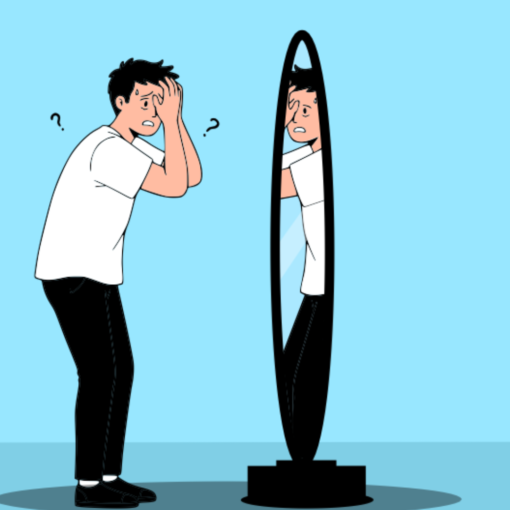
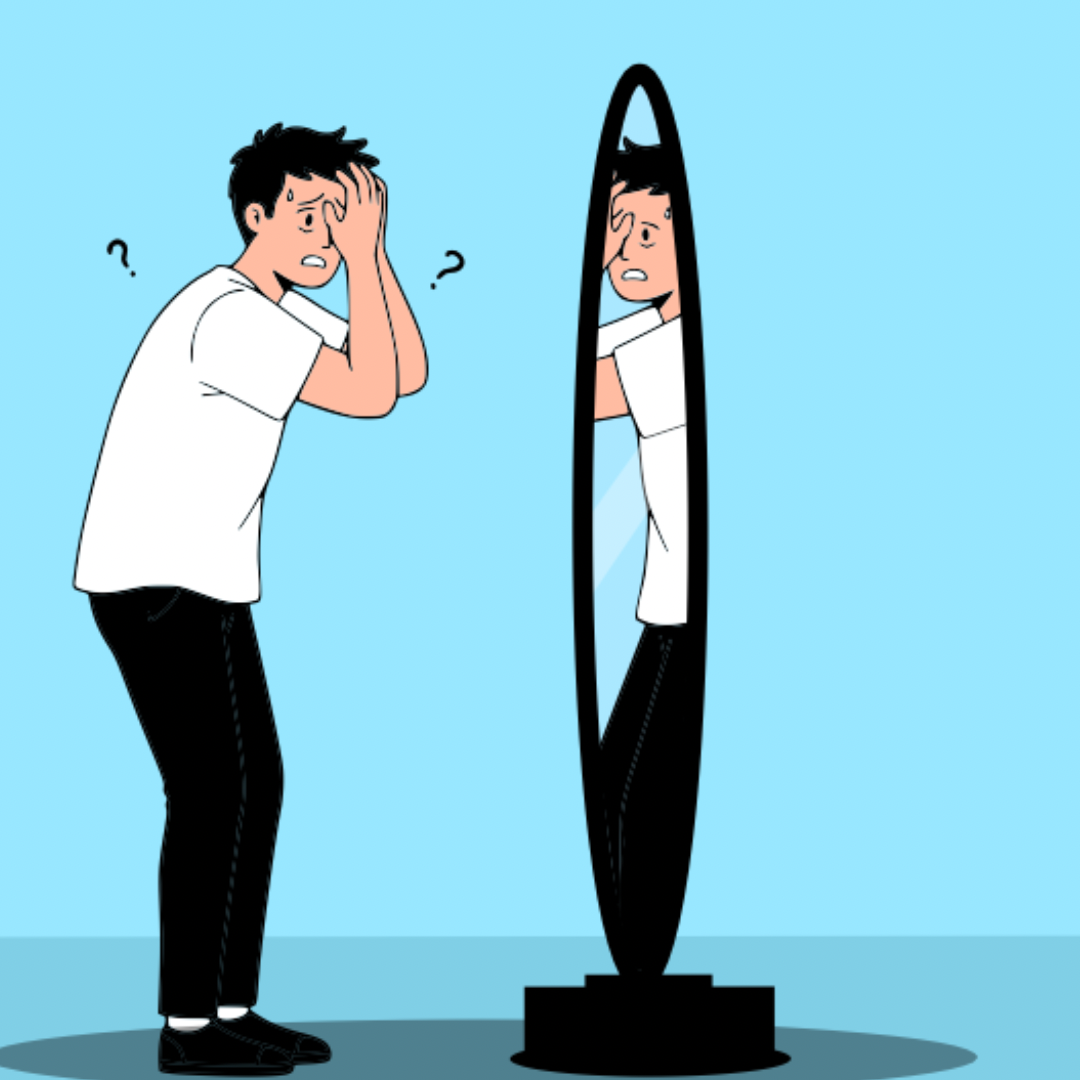
There is also an internal cost. Carrying consequential questions alone while projecting certainty outward is exhausting in a way that does not show up in performance. The leader continues to function while navigating a private weight that remains largely invisible.
I have sat with questions about direction, people, and what was unfolding that I could not fully examine in any available room because every room had an interest in the answer. That isolation is real. It is resolved by having someone in the environment whose only interest is the quality of your thinking and who can engage with that complexity without agenda.
Without a thinking partner whose position is fundamentally different from everyone else in the system, someone with no agenda, no relationship to protect, no stake in the outcome, and the experience to engage at the level where the real decisions are made, the most consequential questions go unexamined and the leader continues to carry the gap between what is visible and what is actually being navigated alone.
If this is the environment you are leading from, the next step is a private conversation.