
The Quiet Erosion: What Years of Circling the Same Pattern Actually Does to You.
There is a cost to circling the same pattern for years that does not appear on any balance sheet and rarely gets named directly. It is not the missed promotion though that is real, and it is not the salary that plateaued while others advanced though that accumulates in ways that are both financial and psychological. It is what happens internally over time to a person who knows they are capable of more and cannot understand why more has not materialised and who has tried genuinely and repeatedly to change that.
There is a cost to circling the same pattern for years that does not appear on any balance sheet and rarely gets named directly. It is not the missed promotion, though that is real. It is not the salary that plateaued while others advanced, though that accumulates in ways that are both financial and psychological. It is what happens internally over time to a person who knows they are capable of more and cannot understand why more has not materialised, and who has tried genuinely and repeatedly to shift it.
This is the quiet erosion and for high performers especially it is one of the most privately painful experiences there is, because it happens to people who are skilled at managing how things appear on the outside.
High performers are exceptionally good at presenting composure and competence in public and most of them maintain it convincingly across years of this experience, which is part of what makes it so isolating. The professional confidence is real enough to be credible but what sits beneath it is something different, a question that resurfaces most reliably in moments of stillness, at the end of a long day, or in the space between one achievement and the next. The question is some version of why not me and it is corrosive in direct proportion to how long it goes unanswered.
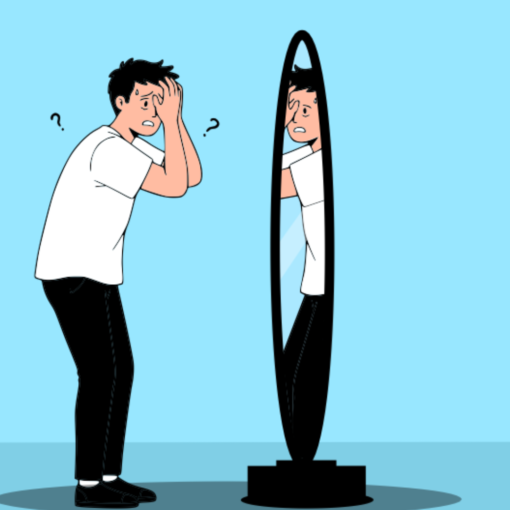
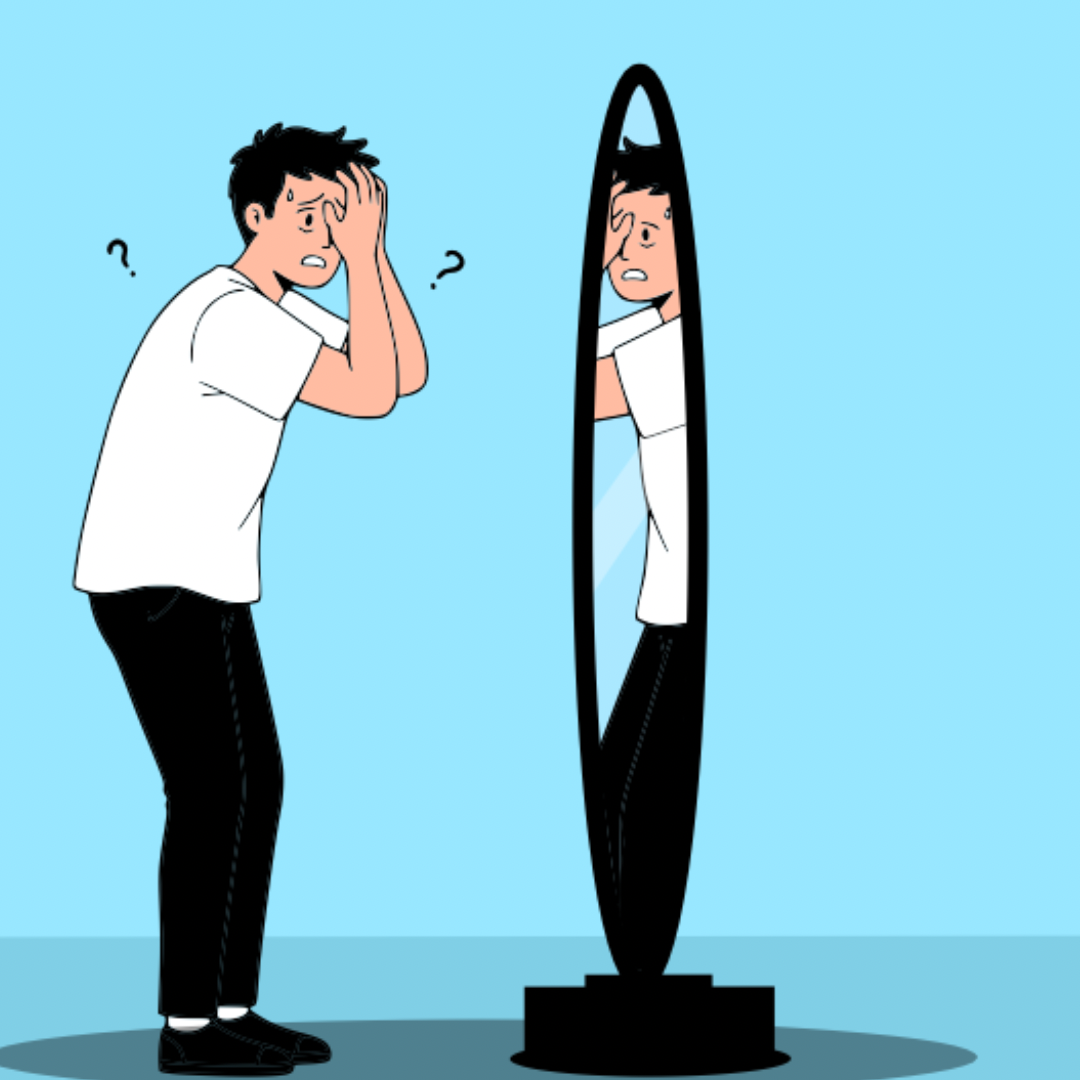
What makes this particularly difficult is that the person experiencing it can see it happening. They are acutely aware of circling the same ceiling in different contexts with different faces yet feel genuinely powerless to stop it. That combination of awareness without the ability to shift becomes its own kind of suffering.
The natural response, for people whose identity is built on figuring things out, is to apply the same capability that has worked everywhere else. They read more, change the routine, hire a coach, and adopt new practices. And so begins a period many leaders describe with a mixture of exhaustion and dark humour: the years of trying everything and having nothing stick.
The books are read, new coaches are engaged, and the routines are built and rebuilt. For a while each one produces a period of momentum that feels like it might change the trajectory. Then under pressure, in the moments that matter most, the pattern reasserts itself and the ceiling reappears. The familiar frustration returns with an added layer. Not just why is this still happening, but I have tried so much and nothing is working, so what does that say about me.
This is where the erosion deepens because for someone whose identity is built on the ability to figure things out, the persistence of the pattern begins to feel like a personal indictment. It is not. But that is not how it registers at the time.
” What makes this a particularly difficult trap to exit is that the very capability that has driven the high performer’s success becomes the thing that extends the delay “.
What makes this a particularly difficult trap to exit is that the very capability that has driven the high performer’s success becomes the thing that extends the delay. Figuring it out is their identity and it is how they have navigated every previous challenge, so applying that same intelligence and determination here feels natural and necessary. To stop trying to figure it out alone feels like failure. And failure is not something high performers accept easily.
So they keep trying and time passes quietly and persistently until it becomes its own source of grief, recognising how long the pattern has been running and how much has been organised around it. That grief is real and it deserves to be named.
What eventually shifts things is rarely another technique. In my own experience the shift did not come from finding the right framework. It came from exhaustion, from reaching a point where pushing was no longer possible, where my energy was depleted, ideas dried up, and my body, which had been carrying this weight for years, made the decision the mind could not make and demanded rest.
This felt like failure at the time. It was not. It was the doorway.
In the stillness that followed a different question had space to surface. Not what am I doing wrong, and not which technique have I not yet tried, but something more fundamental. Who am I outside of what I can do. I had been living inside my skills and expertise, and those things had a ceiling. They could not take me further because the missing piece was not more skill. It was self knowledge.
That understanding could not be figured out. It had to be uncovered, and it required a different kind of work than anything I had tried before.
What that experience made clear is something worth naming directly for anyone who recognises themselves in this. The quiet erosion is not evidence of a flaw and it is not confirmation of the story that sometimes surfaces in private moments, that something is fundamentally wrong or that others have something you do not. None of that is true.
What the erosion is pointing toward is a pattern that has not yet been addressed at the level where it was formed, in the body, the psyche, and the beliefs about self and safety that were established long before any career or role. When that depth is reached and the pattern is addressed, the erosion stops because the internal landscape shifts in a way that influences how everything is navigated from that point forward. The question why not me loses its grip because the conditions that generated it are no longer present.
The years spent circling are not wasted. They are often what makes the work possible when it finally happens, because the person arriving at that point has exhausted every surface-level alternative and is ready to go deeper.